


Scroll down
08th Nov 2024
Climate change is driving challenges like extreme weather and rising sea levels. In response, utility companies are vital in transforming energy generation, distribution, and consumption to reduce carbon emissions and modernize infrastructure.
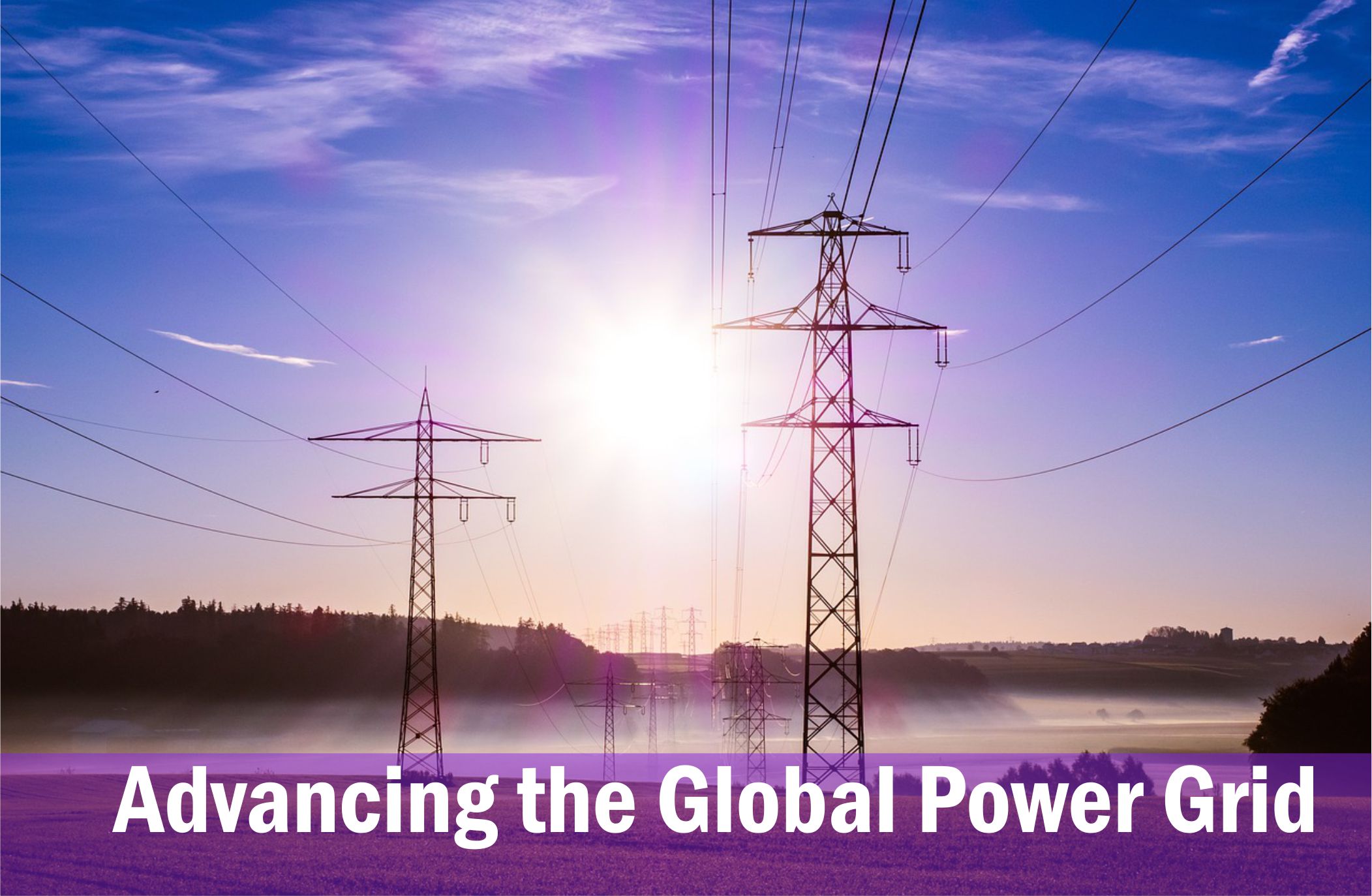
Climate change is transforming our world, introducing new challenges such as extreme weather, higher sea levels, and intensified droughts. Utility companies are essential to reimagining energy generation, distribution, and consumption in an effort to cut carbon emissions and upgrade infrastructure.
The worldwide power grid, which is ageing and frequently unreliable, needs to be transformed to support a decentralized model driven by renewable energy sources. Utility companies are reimagining energy generation, distribution, and consumption while investigating the technologies and business strategies that will help them achieve this goal.
Here are the three key objectives that every utility should incorporate into its strategy to reshape the traditional business model for the future:
Goal 1: Achieve a New Balance Between Supply and Demand
Maintaining the balance between energy supply and demand is a core challenge for utilities. With the increasing integration of renewable sources such as solar and wind, this balance needs to be reimagined. The grid of the future will treat both demand and supply as flexible factors, necessitating innovative strategies to shape and manage energy consumption patterns effectively.
Challenges:
Effective Technology and Business Approaches:
AI-Driven, Cloud-Based Solutions: More than 82% of utility companies view artificial intelligence as vital to their digital transformation efforts, as it aids in simplifying operations and cutting expenses.
Improved Communication: Clear and proactive communication with customers helps mitigate the risk of grid disruptions.
Optimized Energy Use: Programs that promote flexible energy use or demand response encourage consumption during off-peak times, helping to balance and stabilize grid demand.
Goal 2: Targeted Investments in Infrastructure
The worldwide power grid is extensive and ageing, necessitating continuous upkeep and modernization. Revitalizing the grid requires substantial investments in new infrastructure while keeping current systems running effectively.
Challenges:
Effective Technology and Business Approaches:
Asset Management and Performance Optimization: Leveraging real-time data and predictive maintenance techniques enhances the longevity of infrastructure assets.
Insights from Data: AI and decision-making frameworks assist in identifying and prioritizing essential investments in infrastructure.
Collaborative Efforts in the Industry: By aligning objectives and limitations, utilities can work collectively to set new industry standards.
Goal 3: Building a Skilled and Adaptable Workforce
Utilities are experiencing a worldwide talent shortage, with over 70% reporting hiring challenges. Bringing in and keeping skilled professionals is crucial to ensuring the grid’s resilience for the future.
Challenges:
Effective Technology and Business Approaches:
Enhanced Workforce Productivity: Mobile workforce management tools and maintenance scheduling improve operational efficiency.
Knowledge Sharing: Mentorship initiatives and remote support technologies facilitate the transfer of expertise from experienced to newer employees.
Partnerships with Educational Institutions: Collaborating with universities helps attract top talent and shapes academic programs to align with industry demands.
The overhaul of the global power grid is a critical and enormous challenge. Utilities must drive innovation and evolve by investing in advanced technologies and infrastructure, while also cultivating a skilled and adaptable workforce. Through these efforts, it is possible to create a robust and sustainable grid capable of meeting future energy demands.
Source: Evolving the Worldwide Electrical Grid: The Path Forward